
The exterior of your home is more than just its appearance. It protects everything inside, influences energy efficiency, and plays a major role in long-term property value. Over time, exposure to weather, sunlight, moisture, and seasonal temperature changes can slowly wear down even the most durable materials. When homeowners begin noticing damage, fading, drafts, or structural concerns, it may be time to start thinking about a comprehensive exterior upgrade.
Undertaking a well-planned renovation has the potential to significantly enhance both the aesthetic appeal and functional capabilities of a home. When executed thoughtfully, a renovation goes beyond mere cosmetic updates; it serves as a means to revitalize and rejuvenate a living space, marrying modern design principles with enhanced structural integrity. A crucial advantage of comprehensive home renovations is their ability to fortify and protect a property’s core structural components. By addressing and improving elements such as the foundation, roofing, and support beams, homeowners can prevent future damage. This ensures the building remains safe and sound, capable of withstanding the test of time.
Renovating the exterior of your home can be a deeply rewarding project, but it requires careful consideration and planning to ensure successful execution. It’s not just about refreshing the look of your house—it’s also about understanding the underlying condition of your property and how best to enhance its functionality and curb appeal. To achieve a seamless process and satisfying result, there are several steps that homeowners should diligently follow.
Evaluate the Current Condition of Your Home Before Planning Upgrades
Before any major project begins, homeowners should conduct a detailed inspection of the property’s exterior. Understanding what areas require immediate attention helps prevent minor problems from turning into expensive structural issues later. A careful assessment also allows homeowners to prioritize improvements rather than tackling everything at once.
One of the most common issues discovered during an inspection is roof leaking. Even small leaks can cause significant damage if left untreated. Moisture can seep into insulation, damage drywall, encourage mold growth, and weaken wooden framing. Early detection allows homeowners to address the issue before interior damage becomes extensive. Signs to watch for include water stains on ceilings, missing shingles, damp attic insulation, or visible cracks near flashing and vents.
This initial inspection should extend beyond the roofline to include siding, gutters, windows, and trim. Cracked panels, loose boards, peeling paint, and warped surfaces may indicate long-term exposure to moisture or sunlight. Identifying these areas helps homeowners understand where protective materials have started to break down.
During the planning phase, it is helpful to think of the project as a complete exterior home renovation rather than a series of isolated repairs. When improvements are approached holistically, homeowners can coordinate upgrades more efficiently. For example, replacing siding while also addressing insulation and drainage can improve energy efficiency while preventing future moisture problems.
Taking photos and documenting areas of concern during the inspection process can also be valuable. This record allows homeowners to compare estimates, track progress, and communicate clearly with professionals who may later evaluate the project. The more information gathered during this stage, the easier it will be to make informed decisions about repairs and upgrades.
Set a Realistic Budget and Choose the Right Professionals

Once the condition of the home has been evaluated, the next step is establishing a clear budget and identifying qualified professionals who can complete the work. Exterior upgrades can vary widely in cost depending on the size of the home, the materials selected, and the complexity of the project.
Working with a reputable home renovation company can make this stage much easier. Experienced professionals can review the property, identify structural concerns, and help homeowners determine which improvements should be prioritized first. They can also provide realistic cost estimates based on labor, materials, permits, and potential structural repairs that may arise during the renovation process.
Homeowners should obtain multiple estimates whenever possible. Comparing proposals allows them to understand the scope of work included in each quote and evaluate whether certain services are missing or underpriced. Reliable roofing contractors and renovation specialists typically provide detailed breakdowns explaining materials, timelines, and warranty information.
It is also important to confirm that contractors are licensed, insured, and experienced with similar projects. Exterior improvements often involve structural components, and hiring inexperienced workers can lead to long-term problems. Professional contractors should be able to explain their process, show examples of previous projects, and answer questions about material options and installation methods.
Establishing a realistic timeline is another critical component of planning. Weather conditions, material availability, and inspection schedules can all affect project duration. By discussing these factors early with contractors, homeowners can avoid unexpected delays and ensure that the project progresses smoothly.
Investing time in selecting the right professionals often saves money and stress in the long run. Skilled contractors not only complete work more efficiently but also help homeowners avoid costly mistakes that can occur when repairs are rushed or improperly installed.
Strengthen and Protect the Top Layer of Your Home
The roof is one of the most important protective systems of any house. It shields the structure from rain, snow, wind, and direct sunlight. Because it experiences constant exposure to the elements, maintaining this surface is critical for preserving the integrity of the entire home.
Many homeowners underestimate how important professional roofing inspections can be. Even when no visible problems are present, hidden damage can develop beneath shingles or along flashing points. Over time, small cracks and worn seals can allow moisture to enter the structure, slowly weakening the materials underneath.
Investing in a reliable residential roofing service ensures that the system is evaluated thoroughly and repaired using appropriate techniques. Professionals examine structural decking, ventilation systems, and moisture barriers to ensure that the entire assembly functions properly. Proper ventilation, for example, helps regulate attic temperatures and prevents condensation buildup that can damage wood framing.
Material selection also plays an important role in long-term durability. Asphalt shingles remain a popular choice due to their affordability and ease of installation, but other materials such as metal panels, composite shingles, or clay tiles can provide extended longevity and improved weather resistance. Each material offers different benefits depending on climate conditions and aesthetic preferences.
Upgrading the roof during an exterior renovation also presents an opportunity to improve insulation and energy efficiency. Proper insulation beneath the roofing layer helps maintain indoor temperatures, reducing the strain on heating and cooling systems throughout the year. Over time, these improvements can significantly reduce energy costs while improving comfort.
When homeowners treat the roof as a structural investment rather than a simple cosmetic upgrade, they create a stronger and more resilient home that is better equipped to handle extreme weather conditions.
Improve Durability and Energy Efficiency Through Updated Wall Systems
The walls of a home serve as the primary barrier between interior living spaces and outdoor conditions. Over time, siding materials can deteriorate due to moisture exposure, ultraviolet radiation, and temperature fluctuations. When deterioration occurs, energy efficiency often decreases and structural damage may begin to develop behind the visible surface.
Working with an experienced siding contractor can help homeowners determine whether repairs or a full replacement is necessary. Professionals evaluate insulation layers, moisture barriers, and fastening systems to ensure that the entire wall assembly remains secure and weather resistant.
Modern siding materials offer a wide range of benefits compared with older options. Vinyl panels, fiber cement boards, engineered wood, and composite materials provide improved durability while requiring less maintenance. Many of these materials are designed to resist fading, cracking, and moisture infiltration, making them ideal for long-term performance.
Comparing different home siding companies can help homeowners identify the best materials and installation methods for their specific climate. Some companies specialize in energy-efficient siding systems that include additional insulation layers designed to improve thermal performance. These systems can help maintain indoor temperatures more effectively while reducing energy consumption.
Upgrading siding also provides a significant visual transformation. Fresh materials, modern color options, and updated trim designs can dramatically improve curb appeal. For homeowners considering resale in the future, this type of improvement often increases property value by creating a more attractive and well-maintained appearance.
By focusing on both durability and aesthetics, siding upgrades protect the structural components of the home while enhancing its overall visual impact.
Prevent Water Damage With Proper Drainage and Maintenance
Water management is one of the most overlooked aspects of exterior maintenance. Even when roofs and siding are properly installed, poor drainage can allow moisture to accumulate around vulnerable areas of the home. Over time, this buildup may lead to foundation damage, mold growth, or wood rot.
Regular maintenance from a reliable local gutter service helps ensure that rainwater is directed safely away from the structure. Gutters and downspouts play a critical role in carrying water off the roof and channeling it away from walls and foundations. When these systems become clogged with leaves or debris, water can overflow and seep into structural components.
Poor drainage can also contribute to recurring roof leaking problems. When water backs up along the roofline, it may penetrate beneath shingles or flashing. Over time, repeated moisture exposure can weaken structural materials and lead to costly interior damage.
Properly functioning gutters should be securely attached, free of debris, and positioned to direct water several feet away from the home’s foundation. Downspout extensions or underground drainage systems may be necessary in areas that experience heavy rainfall.
Routine inspections and seasonal cleaning are simple steps that significantly reduce the risk of water damage. When homeowners combine proper drainage systems with strong roofing and siding materials, they create a comprehensive barrier that protects the entire property from moisture-related issues.
Maintaining these systems regularly also extends the lifespan of other exterior components, reducing the need for frequent repairs and helping homeowners preserve the overall value of their investment.
Coordinate Multiple Improvements for a Seamless Renovation Process
Large projects often involve several upgrades happening at the same time. Coordinating these improvements properly can prevent delays and ensure that all exterior systems function together effectively. Working with a trusted local roofing company can be especially helpful when multiple elements of the home’s exterior require attention. Roofing professionals frequently collaborate with siding installers, drainage specialists, and renovation teams to ensure that each component is installed in the correct sequence. For example, if both the roof and siding are being replaced, contractors must carefully coordinate flashing systems where the two surfaces meet. Improper sequencing could allow moisture to penetrate between layers, leading to long-term structural issues. Homeowners planning a full exterior home renovation should also consider how improvements will impact other features such as windows, insulation, and ventilation systems. Upgrading these elements simultaneously often improves overall efficiency and reduces future labor costs.
Communication plays a crucial role in keeping complex projects on schedule. Homeowners should request clear timelines, regular progress updates, and detailed explanations of any unexpected structural discoveries. Experienced contractors understand that transparency builds trust and helps projects move forward without unnecessary stress. When renovations are managed strategically, the final result feels cohesive rather than pieced together over time. Every improvement contributes to a stronger, more efficient structure that looks unified and professionally finished. Improving the exterior of a home is one of the most valuable investments a homeowner can make. A well-maintained structure not only enhances curb appeal but also protects the interior from weather damage, improves energy efficiency, and increases long-term property value.
By carefully evaluating the current condition of the property, establishing a realistic renovation plan, selecting experienced professionals, and addressing structural concerns in the proper order, homeowners can approach large projects with confidence. Attention to critical elements such as drainage, wall protection, and structural integrity ensures that improvements provide lasting results rather than temporary fixes.
Exterior upgrades should always be viewed as part of a broader strategy to strengthen and preserve the home. When planned thoughtfully and executed with skilled craftsmanship, these improvements create a safer, more comfortable environment while ensuring that the property remains resilient for many years to come. Consider an upgrade to your home’s exterior today.
The exterior of your home is more than just its appearance. It protects everything inside, influences energy efficiency, and plays a major role in long-term property value. Over time, exposure to weather, sunlight, moisture, and seasonal temperature changes can slowly wear down even the most durable materials. When homeowners begin noticing damage, fading, drafts, or structural concerns, it may be time to start thinking about a comprehensive exterior upgrade.
Undertaking a well-planned renovation has the potential to significantly enhance both the aesthetic appeal and functional capabilities of a home. When executed thoughtfully, a renovation goes beyond mere cosmetic updates; it serves as a means to revitalize and rejuvenate a living space, marrying modern design principles with enhanced structural integrity. A crucial advantage of comprehensive home renovations is their ability to fortify and protect a property’s core structural components. By addressing and improving elements such as the foundation, roofing, and support beams, homeowners can prevent future damage. This ensures the building remains safe and sound, capable of withstanding the test of time.
Renovating the exterior of your home can be a deeply rewarding project, but it requires careful consideration and planning to ensure successful execution. It’s not just about refreshing the look of your house—it’s also about understanding the underlying condition of your property and how best to enhance its functionality and curb appeal. To achieve a seamless process and satisfying result, there are several steps that homeowners should diligently follow.
Evaluate the Current Condition of Your Home Before Planning Upgrades
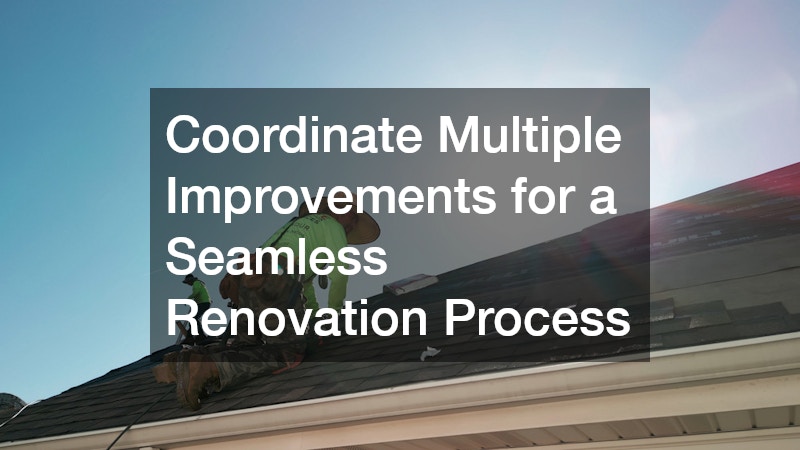
Before any major project begins, homeowners should conduct a detailed inspection of the property’s exterior. Understanding what areas require immediate attention helps prevent minor problems from turning into expensive structural issues later. A careful assessment also allows homeowners to prioritize improvements rather than tackling everything at once.
One of the most common issues discovered during an inspection is roof leaking. Even small leaks can cause significant damage if left untreated. Moisture can seep into insulation, damage drywall, encourage mold growth, and weaken wooden framing. Early detection allows homeowners to address the issue before interior damage becomes extensive. Signs to watch for include water stains on ceilings, missing shingles, damp attic insulation, or visible cracks near flashing and vents.
This initial inspection should extend beyond the roofline to include siding, gutters, windows, and trim. Cracked panels, loose boards, peeling paint, and warped surfaces may indicate long-term exposure to moisture or sunlight. Identifying these areas helps homeowners understand where protective materials have started to break down.
During the planning phase, it is helpful to think of the project as a complete exterior home renovation rather than a series of isolated repairs. When improvements are approached holistically, homeowners can coordinate upgrades more efficiently. For example, replacing siding while also addressing insulation and drainage can improve energy efficiency while preventing future moisture problems.
Taking photos and documenting areas of concern during the inspection process can also be valuable. This record allows homeowners to compare estimates, track progress, and communicate clearly with professionals who may later evaluate the project. The more information gathered during this stage, the easier it will be to make informed decisions about repairs and upgrades.
Set a Realistic Budget and Choose the Right Professionals
Once the condition of the home has been evaluated, the next step is establishing a clear budget and identifying qualified professionals who can complete the work. Exterior upgrades can vary widely in cost depending on the size of the home, the materials selected, and the complexity of the project.
Working with a reputable home renovation company can make this stage much easier. Experienced professionals can review the property, identify structural concerns, and help homeowners determine which improvements should be prioritized first. They can also provide realistic cost estimates based on labor, materials, permits, and potential structural repairs that may arise during the renovation process.
Homeowners should obtain multiple estimates whenever possible. Comparing proposals allows them to understand the scope of work included in each quote and evaluate whether certain services are missing or underpriced. Reliable roofing contractors and renovation specialists typically provide detailed breakdowns explaining materials, timelines, and warranty information.
It is also important to confirm that contractors are licensed, insured, and experienced with similar projects. Exterior improvements often involve structural components, and hiring inexperienced workers can lead to long-term problems. Professional contractors should be able to explain their process, show examples of previous projects, and answer questions about material options and installation methods.
Establishing a realistic timeline is another critical component of planning. Weather conditions, material availability, and inspection schedules can all affect project duration. By discussing these factors early with contractors, homeowners can avoid unexpected delays and ensure that the project progresses smoothly.
Investing time in selecting the right professionals often saves money and stress in the long run. Skilled contractors not only complete work more efficiently but also help homeowners avoid costly mistakes that can occur when repairs are rushed or improperly installed.
Strengthen and Protect the Top Layer of Your Home
The roof is one of the most important protective systems of any house. It shields the structure from rain, snow, wind, and direct sunlight. Because it experiences constant exposure to the elements, maintaining this surface is critical for preserving the integrity of the entire home.
Many homeowners underestimate how important professional roofing inspections can be. Even when no visible problems are present, hidden damage can develop beneath shingles or along flashing points. Over time, small cracks and worn seals can allow moisture to enter the structure, slowly weakening the materials underneath.
Investing in a reliable residential roofing service ensures that the system is evaluated thoroughly and repaired using appropriate techniques. Professionals examine structural decking, ventilation systems, and moisture barriers to ensure that the entire assembly functions properly. Proper ventilation, for example, helps regulate attic temperatures and prevents condensation buildup that can damage wood framing.
Material selection also plays an important role in long-term durability. Asphalt shingles remain a popular choice due to their affordability and ease of installation, but other materials such as metal panels, composite shingles, or clay tiles can provide extended longevity and improved weather resistance. Each material offers different benefits depending on climate conditions and aesthetic preferences.
Upgrading the roof during an exterior renovation also presents an opportunity to improve insulation and energy efficiency. Proper insulation beneath the roofing layer helps maintain indoor temperatures, reducing the strain on heating and cooling systems throughout the year. Over time, these improvements can significantly reduce energy costs while improving comfort.
When homeowners treat the roof as a structural investment rather than a simple cosmetic upgrade, they create a stronger and more resilient home that is better equipped to handle extreme weather conditions.
Improve Durability and Energy Efficiency Through Updated Wall Systems
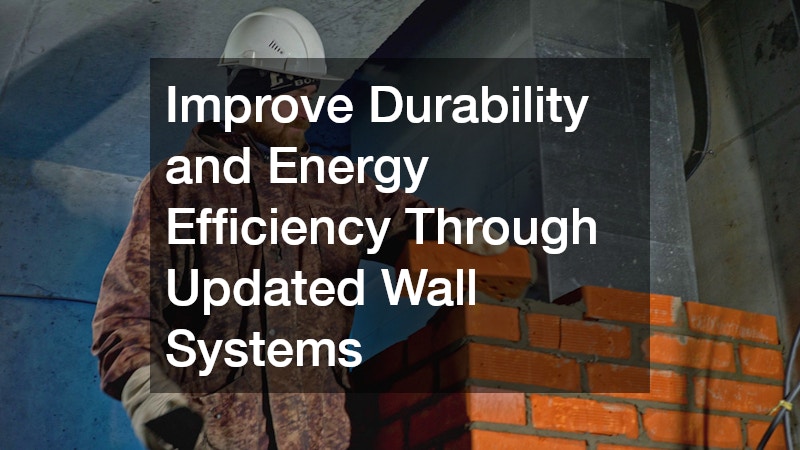
The walls of a home serve as the primary barrier between interior living spaces and outdoor conditions. Over time, siding materials can deteriorate due to moisture exposure, ultraviolet radiation, and temperature fluctuations. When deterioration occurs, energy efficiency often decreases and structural damage may begin to develop behind the visible surface.
Working with an experienced siding contractor can help homeowners determine whether repairs or a full replacement is necessary. Professionals evaluate insulation layers, moisture barriers, and fastening systems to ensure that the entire wall assembly remains secure and weather resistant.
Modern siding materials offer a wide range of benefits compared with older options. Vinyl panels, fiber cement boards, engineered wood, and composite materials provide improved durability while requiring less maintenance. Many of these materials are designed to resist fading, cracking, and moisture infiltration, making them ideal for long-term performance.
Comparing different home siding companies can help homeowners identify the best materials and installation methods for their specific climate. Some companies specialize in energy-efficient siding systems that include additional insulation layers designed to improve thermal performance. These systems can help maintain indoor temperatures more effectively while reducing energy consumption.
Upgrading siding also provides a significant visual transformation. Fresh materials, modern color options, and updated trim designs can dramatically improve curb appeal. For homeowners considering resale in the future, this type of improvement often increases property value by creating a more attractive and well-maintained appearance.
By focusing on both durability and aesthetics, siding upgrades protect the structural components of the home while enhancing its overall visual impact.
Prevent Water Damage With Proper Drainage and Maintenance
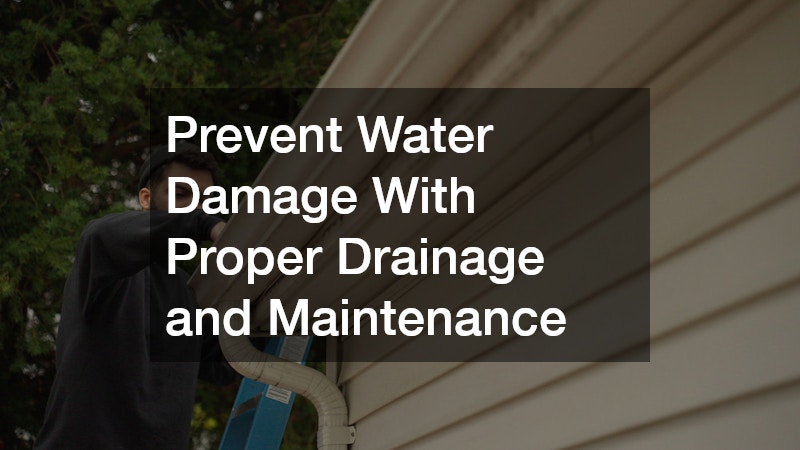
Water management is one of the most overlooked aspects of exterior maintenance. Even when roofs and siding are properly installed, poor drainage can allow moisture to accumulate around vulnerable areas of the home. Over time, this buildup may lead to foundation damage, mold growth, or wood rot.
Regular maintenance from a reliable local gutter service helps ensure that rainwater is directed safely away from the structure. Gutters and downspouts play a critical role in carrying water off the roof and channeling it away from walls and foundations. When these systems become clogged with leaves or debris, water can overflow and seep into structural components.
Poor drainage can also contribute to recurring roof leaking problems. When water backs up along the roofline, it may penetrate beneath shingles or flashing. Over time, repeated moisture exposure can weaken structural materials and lead to costly interior damage.
Properly functioning gutters should be securely attached, free of debris, and positioned to direct water several feet away from the home’s foundation. Downspout extensions or underground drainage systems may be necessary in areas that experience heavy rainfall.
Routine inspections and seasonal cleaning are simple steps that significantly reduce the risk of water damage. When homeowners combine proper drainage systems with strong roofing and siding materials, they create a comprehensive barrier that protects the entire property from moisture-related issues.
Maintaining these systems regularly also extends the lifespan of other exterior components, reducing the need for frequent repairs and helping homeowners preserve the overall value of their investment.
Coordinate Multiple Improvements for a Seamless Renovation Process
Large projects often involve several upgrades happening at the same time. Coordinating these improvements properly can prevent delays and ensure that all exterior systems function together effectively. Working with a trusted local roofing company can be especially helpful when multiple elements of the home’s exterior require attention. Roofing professionals frequently collaborate with siding installers, drainage specialists, and renovation teams to ensure that each component is installed in the correct sequence. For example, if both the roof and siding are being replaced, contractors must carefully coordinate flashing systems where the two surfaces meet. Improper sequencing could allow moisture to penetrate between layers, leading to long-term structural issues. Homeowners planning a full exterior home renovation should also consider how improvements will impact other features such as windows, insulation, and ventilation systems. Upgrading these elements simultaneously often improves overall efficiency and reduces future labor costs.
Communication plays a crucial role in keeping complex projects on schedule. Homeowners should request clear timelines, regular progress updates, and detailed explanations of any unexpected structural discoveries. Experienced contractors understand that transparency builds trust and helps projects move forward without unnecessary stress. When renovations are managed strategically, the final result feels cohesive rather than pieced together over time. Every improvement contributes to a stronger, more efficient structure that looks unified and professionally finished. Improving the exterior of a home is one of the most valuable investments a homeowner can make. A well-maintained structure not only enhances curb appeal but also protects the interior from weather damage, improves energy efficiency, and increases long-term property value.
By carefully evaluating the current condition of the property, establishing a realistic renovation plan, selecting experienced professionals, and addressing structural concerns in the proper order, homeowners can approach large projects with confidence. Attention to critical elements such as drainage, wall protection, and structural integrity ensures that improvements provide lasting results rather than temporary fixes.
Exterior upgrades should always be viewed as part of a broader strategy to strengthen and preserve the home. When planned thoughtfully and executed with skilled craftsmanship, these improvements create a safer, more comfortable environment while ensuring that the property remains resilient for many years to come. Consider an upgrade to your home’s exterior today.